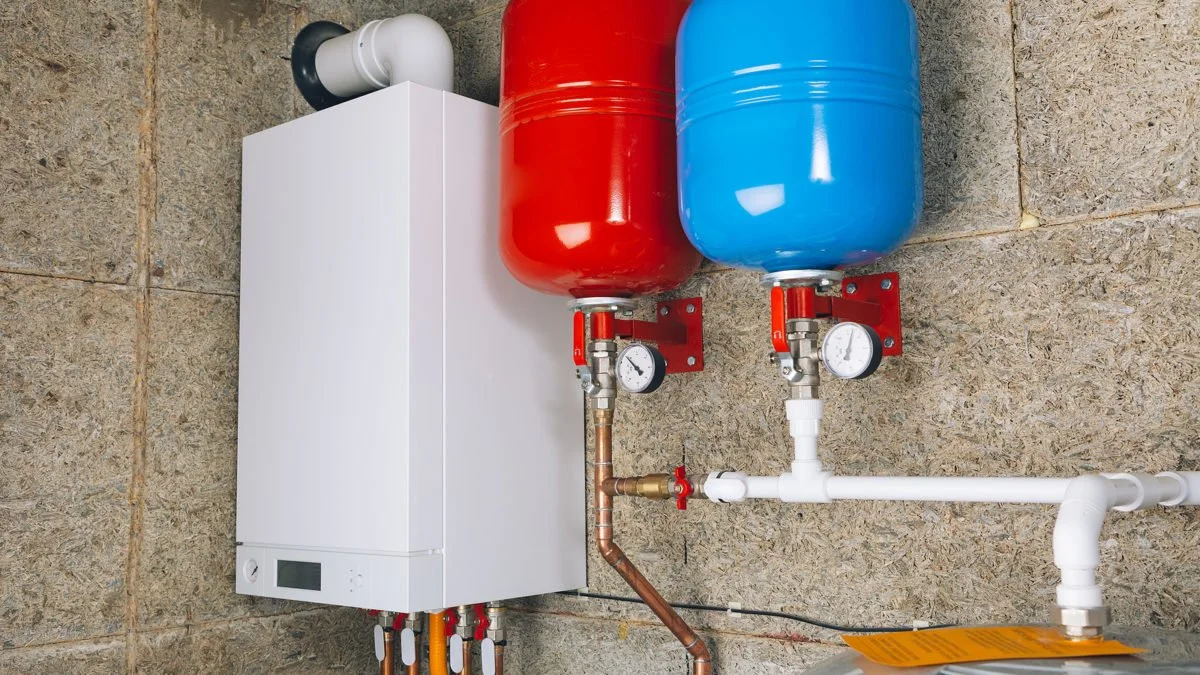
Tankless water heaters differ from traditional tanks by delivering hot water on demand rather than storing it. They emphasize efficiency, space saving, and rapid response, but require higher upfront costs and specialized installation. Maintenance, including descaling and venting considerations, can affect long-term reliability. Sizing and system design determine performance under simultaneous hot-water demands. The balance of costs, installation quirks, and ongoing care warrants close scrutiny before adopting the technology, inviting further evaluation of practical implications.
What Makes Tankless Heaters Different From Traditional Tanks
Tankless water heaters differ from traditional storage tanks in both design and operation. They activate on demand, delivering heated water only as flow is detected, eliminating standby loss.
Tankless vs. systems emphasize modularity and rapid response. Heating mechanics rely on high-efficiency burners or electric coils, modulating to load, minimizing energy use while preserving continuous supply and system responsiveness for freedom-minded users.
Pros: Efficiency, Space Savings, and Performance Highlights
The on-demand nature and modular design established previously set the stage for evaluating the core advantages: efficiency, space savings, and performance characteristics.
Tankless units optimize energy use through precise firing and modulating burners, delivering consistent flow with minimal standby losses.
Efficient wiring and installation flexibility enable scalable configurations, supporting compact installations while preserving serviceability and rapid load response for diverse domestic demands.
Cons: Upfront Costs, Installation Quirks, and Maintenance Needs
Upfront costs and installation quirks often temper the initial appeal of tankless water heaters.
The analysis notes higher purchase prices and specialized wiring, venting, and pressure requirements compared to conventional units.
Maintenance demands periodic component checks, descaling, and software updates.
Tradeoffs include reliability versus ongoing expenses, with installation quirks potentially impacting retrofit timelines and system compatibility for certain residential configurations.
See also: Smart Grids and Energy Management
How to Decide if Tankless Is Right for Your Home (Sizing, Reliability, and Real-World Tips)
For homeowners weighing the shift from conventional to tankless water heating, a structured assessment of sizing, reliability, and practical considerations is warranted.
The decision hinges on accurate load calculations, intended hot-water use, and system resiliency.
Sizing challenges arise from simultaneous demands and climate.
Reliability considerations address component quality, maintenance frequency, and long-term performance under variable supply and demand.
Frequently Asked Questions
How Do Tankless Heaters Handle Hard Water Without Issues?
Hard water handling varies by model, but many units employ scale prevention strategies; regular descaling and pretreatment extend life. For best performance, installation-specific measures, filtration, and periodic maintenance are essential to minimize mineral buildup andEfficiency decline.
Can Tankless Water Heaters Supply Hot Water to Multiple Fixtures Simultaneously?
Yes, a tankless system can, within capacity limits, supply hot water to multiple fixtures simultaneously; performance depends on tankless flow and simultaneous demand, with higher flow units managing peak usage better and maintaining consistent temperatures.
Do Tankless Systems Require Annual Professional Maintenance?
Yes, tankless maintenance should be performed annually by a professional to preserve efficiency. Exaggerated urgency aside, technicians address condensate, mineral buildup, and gas venting. It analyzes tankless maintenance needs, evaluates hard water challenges, and optimizes system reliability.
Are There Safety Concerns Unique to Gas-Powered Tankless Models?
Gas-powered tankless models present safety concerns related to gas safety, venting requirements, and corrosion concerns. They require proper venting integrity, leak prevention, and corrosion-resistant materials; insufficient attention increases flammable gas risk, exhaust buildup, and system failure potential for freedom-seeking users.
What Are the Long-Term Cost Savings Truly Like?
Long-term cost savings vary, but a careful cost comparison shows potential reductions in standby losses; however, upfront installation logistics and higher maintenance can offset benefits, making outcomes highly dependent on usage patterns and system sizing.
Conclusion
Tankless water heaters offer on-demand hot water with high efficiency and space savings but require careful system matching and maintenance. A well-sized unit, installed with appropriate venting and power availability, can outperform traditional tanks in efficiency and comfort. However, higher upfront costs and ongoing descaling duties temper the economics. Example: a two-bath retrofit saved energy 18% but demanded a dedicated circuit and annual descaling—illustrating the balance between performance gains and installation complexity.
