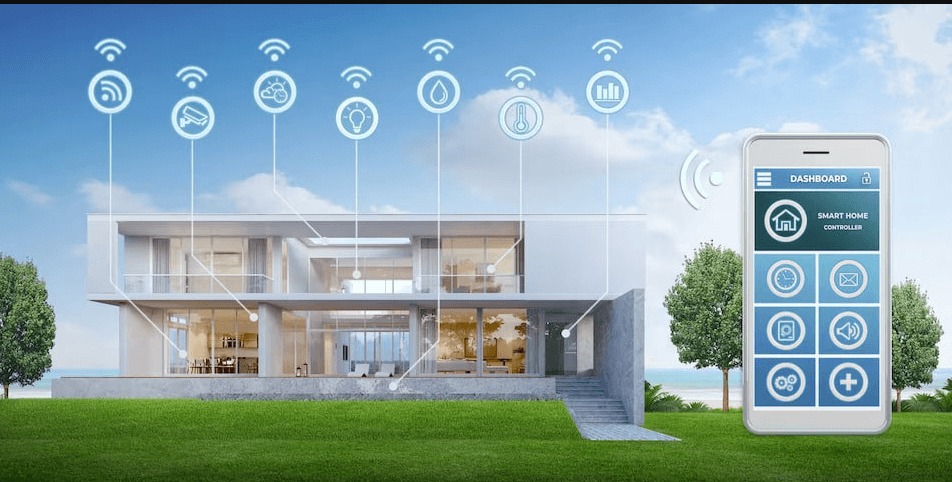
Smart homes are evolving at the edge, where mesh networks sustain resilient, private ecosystems. Standards and interoperability unlock seamless device coordination, while AI mediates comfort without compromising consent. Energy autonomy emerges from local generation and adaptive storage, supported by future-proof platforms. Planning, budgeting, and security become core design choices. The path forward promises autonomous, inclusive living, yet the practical thresholds and trade-offs remain unclear, inviting ongoing evaluation as new components and constraints appear.
How Smart Homes Work: Core Technologies and Standards
Smart homes operate at the intersection of sensors, connectivity, and intelligent orchestration, creating a responsive environment where devices communicate through standardized protocols and interoperable platforms.
The core technologies—edge computing, mesh networking, and unified standards—enable low-latency decision making, resilient networks, and scalable ecosystems.
Privacy by design and device interoperability guide architecture, foreseeing autonomous coordination while preserving user freedom and secure, adaptable home environments.
Personalizing Comfort: AI, Data Privacy, and Accessibility
Personalizing comfort in future homes hinges on the convergence of artificial intelligence, rigorous data privacy, and inclusive design.
AI mediates ambient conditions through adaptive patterns, while privacy controls govern data exchange and consent, preserving autonomy.
Accessibility design ensures universal usability, enabling voluntary customization without exclusion.
This balance invites experimentation, transparency, and continual recalibration toward a liberated, responsive living environment.
Energy, Security, and Resilience: Building a Future-Ready Home
Energy, security, and resilience form the triad that will define future-ready homes, where intelligent systems anticipate disruptions, safeguard occupants, and sustain operations under varied conditions.
The vision envisions energy independence through seamless grid interactions, adaptive storage, and local generation.
Privacy controls and accessibility features underpin trust, enabling autonomous, inclusive living while resilient networks adapt to faults, outages, and evolving homeowner freedoms.
Choosing Your Smart Home Path: Platforms, Budgets, and Next Steps
From the triad of energy, security, and resilience, households moving toward autonomous operation begin to gauge platforms, budgets, and concrete steps as the next layer of planning.
Choosing platforms informs compatibility and future-proofing, while Budgeting strategies reveal Budget tiers and resource alignment.
The Next step plan outlines milestones, and an Implementation roadmap anchors platform compatibility within a practical, freedom-seeking trajectory.
See also: Smart Healthcare Technologies Explained
Frequently Asked Questions
How Do Smart Homes Affect Daily Routines and Habits?
Smart homes influence daily routines by shaping habit formation through subtle cues and feedback loops, enabling daily automation that frees cognitive load while inviting individuals to reimagine time, choices, and autonomy within a perceptible, evolving architecture of living.
Can Smart Homes Increase Home Resale Value?
Smart homes can increase resale value, analysts suggest, as integrated systems signal efficiency, customization, and future readiness. Visionaries note potential premium from tech-forward buyers, while markets weigh maintenance costs and data privacy against long-term value and freedom to adapt.
What Are the Privacy Risks With Voice Assistants?
Voice assistants harbor privacy risks, including data collection and potential eavesdropping, as devices learn patterns to anticipate needs. This speculative landscape invites analytical vigilance, balancing freedom with safeguards, transparency, and user control over how voice data is stored and used.
How Do Smart Homes Handle Power Outages?
During a power outage, smart homes rely on outage resilience planning and backup power strategies to maintain essential functions, prioritize critical loads, and enable autonomous operation, while empowering occupants with freedom to adapt, monitor, and redefine daily routines.
Are There Ethical Concerns With AI in Homes?
AI in homes raises privacy ethics and data ownership concerns, yet potential freedoms emerge as systems learn consent-liberal boundaries. Coincidence hints responsibility: sensors and assistants converge, prompting vigilant governance, transparent architectures, and user empowerment within a speculative, visionary framework.
Conclusion
Smart homes will not just respond to needs; they will anticipate them, weaving a mesh of devices into an autonomous, inclusive nervous system for the home. As standards converge and edge AI evolves, resilience becomes routine and privacy a default. The path ahead is speculative, yet the trajectory is clear: homes that learn, adapt, and empower, with energy autonomy and seamless interoperability redefining everyday living—truly a future of unprecedented convenience.
